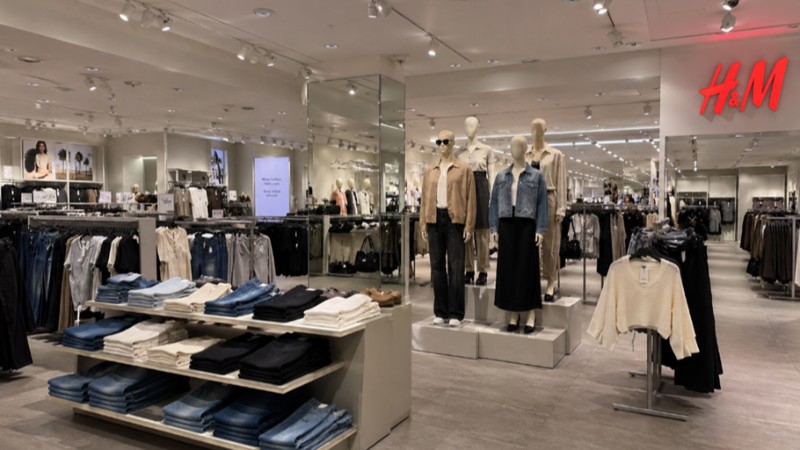
H&M Expands Digital Distribution Through Nordstrom
H&M has launched an online storefront on Nordstrom's marketplace, marking a new step in its efforts to broaden distribution channels in the U.S. market.
The storefront features a curated assortment of apparel for women, men and children, including selections from its activewear line, H&M Move. The product range is expected to be updated regularly as part of the partnership.
Marketplace Strategy Extends Brand Reach Beyond Owned Channels
The move reflects H&M's broader strategy to reach customers across multiple touchpoints, including its own stores, e-commerce platforms and third-party marketplaces.
With online channels accounting for a significant share of its total sales, the company is increasingly focusing on expanding digital distribution while maintaining control over brand presentation and assortment.
By launching on Nordstrom's platform, H&M gains access to an established customer base while adding another layer to its omnichannel strategy.
Nordstrom Marketplace Focuses on Curated Brand Partnerships
Nordstrom's marketplace model differs from large-scale platforms by emphasising selective brand partnerships rather than broad assortment expansion.
The retailer has positioned its marketplace as a curated environment designed to complement its existing offering, focusing on brands that align with its customer base and merchandising strategy.
For H&M, this provides an opportunity to reach new audiences within a more controlled retail environment.
Customer Experience and Services Remain Central
Products purchased through the Nordstrom marketplace will be supported by the retailer's existing service infrastructure, including loyalty benefits, customer service and returns.
This integration allows H&M's assortment to be delivered within a familiar shopping experience for Nordstrom customers, reducing friction and supporting conversion.
Marketplace Channels Gain Importance in Fashion Retail
The partnership highlights a broader trend in fashion retail, where brands are increasingly using marketplaces to complement their direct-to-consumer and wholesale channels.
As competition for digital traffic intensifies, marketplaces are becoming a key avenue for:
■ Customer acquisition
■ Brand visibility
■ Incremental sales
Retailers and brands are balancing these opportunities with the need to maintain brand identity and pricing control.
Distribution Strategy Becomes More Diversified
H&M's expansion into Nordstrom's marketplace reflects a shift toward more diversified distribution strategies in retail.
Rather than relying solely on owned channels, brands are combining:
■ Direct e-commerce
■ Physical stores
■ Third-party platforms
to maximise reach and adapt to changing consumer shopping behaviours.
Source: Reported by Retail Dive